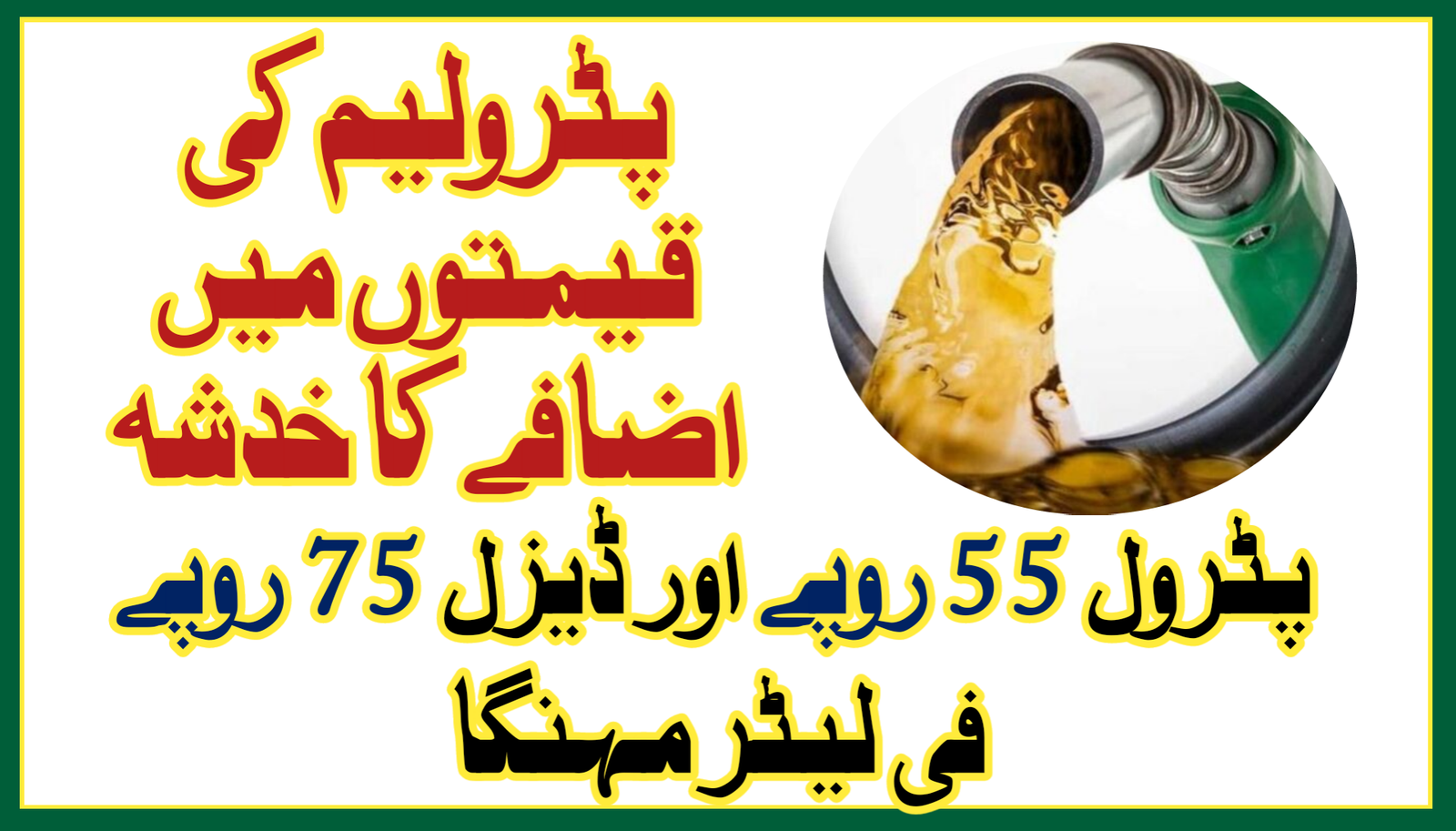
Fears of Increase in Petroleum Prices
People are getting more and more worried about a possible big rise in oil prices in Pakistan. Reports say that petrol could go up by Rs 55 per litre and diesel by Rs 75 per litre. This expected price rise has made things even more unclear for people who are already dealing with inflation.
The Oil and Gas Regulatory Authority and the Ministry of Energy Pakistan set rules for how much oil and gas products cost in Pakistan. Before announcing new prices, these authorities look at global oil trends and economic conditions.

Why do people think that oil prices will go up?
There are a few main reasons why fuel prices are expected to go up:
- International Oil Prices: The price of crude oil around the world has gone up a lot in the last few weeks.
- Currency Devaluation: The value of the Pakistani Rupee has gone down, which makes imports pricier.
- Changes to the Petroleum Levy: Taxes and fees from the government can change the final prices.
- Import Dependency: Pakistan depends a lot on imported fuel, which makes it vulnerable to changes in the world market.
These things together are making fuel prices go up, which is what was expected.
Effect on the economy and everyday life
A sudden rise in the price of petrol and diesel can have a lot of effects:
- Costs of transport going up
- Food and other basic goods cost more.
- Inflation is going up in many areas.
- Financial burden on families with low and middle incomes
The price of diesel, in particular, can have a direct effect on supply chains because it is so important for farming and transportation.
The Role of Government and Regulation
The Oil and Gas Regulatory Authority tells the government to look at oil prices every 15 days. The Ministry of Energy makes the final choice.
The government could do any of the following:
- Changing taxes on oil
- Giving temporary help or subsidies
- Keeping an eye on oil companies to stop them from charging too much
However, due to global market dependence, complete control over prices is limited.
Table of Quick Details
| Category | Details |
| Issue | Expected Rise in Fuel Prices – People are concerned about increasing costs |
| Petrol Prices | Expected price: Rs 55 per litre – Significant jump affecting daily expenses |
| Diesel Prices | Expected price: Rs 75 per litre – Major impact on transportation costs |
| Authority | Ministry of Energy Pakistan and OGRA – Responsible for setting fuel prices |
| Main Causes | Currency fluctuations and global oil prices – Pricing depends on imported oil |
| Effects | Higher costs leading to inflation – Impacts prices across multiple sectors |
What Should Customers Expect?
If the rise is approved, customers should get ready for:
- More expensive fuel
- Higher cost of living
- High costs of transportation
- Prices of goods and services going up
People should plan their budgets and use fuel wisely.
Frequently Asked Questions
Q1: Why are petrol prices going up?
Because of rising oil prices around the world and falling currency values.
Q2: Who sets the prices of oil in Pakistan?
The Ministry of Energy agrees with the prices that OGRA suggests.
Q3: When will the new prices be made public?
Every 15 days, usually.
Q4: Will the government help?
It depends on the state of the economy and the choices made by policymakers.
Q5: Which fuel is more affected?
It is thought that diesel will go up more, which will affect transportation and farming.
Conclusion
Pakistan’s dependence on global oil markets is clear from its fear of a big rise in oil prices. Authorities are keeping an eye on the situation, but consumers should stay informed and be ready for possible changes in their finances in the next few days.